Research Article | | Peer-Reviewed

Assessing Stress Levels Amongst Teachers: Factors, Impacts, Coping Strategies and Teacher Well Being

Received: 15 April 2025     Accepted: 27 April 2025     Published: 16 June 2025
Views:       Downloads:
Abstract

Introduction: Teachers' health, day-to-day functioning, and career development are all greatly impacted by the elevated stress levels they are experiencing in the quickly changing educational landscape of today. Mounting data indicates that high stress degrades important parts of teaching, such as managing the classroom, emotional engagement, and general motivation, eventually reducing the quality of education and student results. Heavy workloads, difficulties integrating technology, regulatory changes, student behavior, a lack of administrative assistance, schedule issues, and rising societal demands are some of the interconnected pressures that are contributing to this developing concern. Many teacher preparation programs do not provide pre-service teachers with adequate stress management skills, which leads to early-career exhaustion and attrition despite the growing need for resilient and flexible teachers. Aim: The study aims to look into the main reasons why teachers experience stress, how it affects their health and performance on the job, and what coping strategies they use to stay productive. Method: A desk method methodology was used to identify common stressors and coping mechanisms, drawing on existing, reliable literature. Through data cross-referencing and triangulation across several sources, this approach guaranteed correctness and dependability. Findings: The study found that the main stressors were time management problems, workload, learner misconduct, and a lack of institutional support. Additionally, it uncovered trends in a range of educational settings, highlighting the necessity of coordinated stakeholder participation and focused stress-reduction interventions. Conclusions: Developing successful interventions that promote resilience, increase work satisfaction, and improve teaching quality and student achievement requires addressing the underlying causes of teacher stress. Contribution: This study aids in the creation of comprehensive support networks that foster teachers' well-being and a happier, more effective learning environment by addressing the causes and consequences of teacher stress and emphasising useful coping strategies.

Published in Education Journal (Volume 14, Issue 3)
DOI 10.11648/j.edu.20251403.16
Page(s) 134-145
Creative Commons

This is an Open Access article, distributed under the terms of the Creative Commons Attribution 4.0 International License (http://creativecommons.org/licenses/by/4.0/), which permits unrestricted use, distribution and reproduction in any medium or format, provided the original work is properly cited.

Copyright

Copyright © The Author(s), 2025. Published by Science Publishing Group

Keywords

Coping Strategies, Factors, Impact, Job Performance, Stress Levels, Teachers Well Being

1. Introduction
This desk-based investigation delves into the multifaceted dynamics of teacher stress by scrutinising its main sources, effects on well-being and job performance, and coping strategies as outlined in current literature. The study examines a range of stressors, including intrapersonal and interpersonal challenges, conflict errors and resistance, domestic and social pressures, institutional stress, peer and family-related stress, information technology and transportation issues, health and psychological concerns, as well as socio-economic stress. This analysis is guided by the research question: “What are the predominant factors contributing to stress among teachers, how do these stress levels affect their well-being and job performance, and what coping measures does the literature recommend?” The research emphasises the negative effects of these stressors on teachers' job satisfaction, performance, and mental and physical health. Moreover, it examines the coping strategies that teachers use cognitive, emotional, and behavioral methods to deal with stress. This study offers valuable insights for creating effective support systems and interventions designed to reduce stress and promote teacher well-being by synthesising findings from previous research.
2. Background
In today’s global education environment, teachers are faced with escalating stress levels that significantly challenge their health, daily functioning, and overall well-being . Research indicates that heightened stress levels can weaken crucial elements of teaching practice, such as classroom management, emotional engagement, and teacher motivation, which in turn impacts the quality of teaching and student achievement . This escalating concern is driven by a multitude of interconnected stressors, including the challenges of integrating technology, balancing professional and personal life, dealing with frequent policy changes, meeting increased parents' expectations, raising mental health awareness, fostering variance and inclusion, responding to safety issues, and adapting to the changing role of teachers . Many pre-service teacher education programs critically lack a focus on providing future teachers with effective stress management interventions, which contributes to early-career burnout and job dissatisfaction . Researchers acknowledge this and stress the significance of focused training and supportive materials to assist teachers in building resilience and effectively handling work-related stress . Stress management interventions, which are structured organisational approaches aimed at addressing the underlying causes of stress or lessening its effects, are becoming increasingly viewed as vital elements of teacher support systems . In order to create a favourable and effective learning environment, it is necessary to implement interventions aimed at reducing stress and enhancing teacher well-being . This study aims to explore the main sources of teacher stress and assess their impact on teachers' health and job performance, in light of these challenges, to help guide the creation of comprehensive stress management interventions.
3. Literature Review
3.1. Factors and Impact of Stress on Teachers
This section of the literature review investigates the predominant factors and impact of stress contributing to stress amongst teachers, and it is essential to comprehend the complexities of this phenomenon.
3.1.1. Intrapersonal and Interpersonal Stress, Conflict Errors and Resistance
Stress that arises from within a person, usually due to emotional reactions and internal thought processes, is known as intrapersonal stress. It is often associated with internal factors like stimulated responses and physiological responses, expressing as self-doubt, adverse self-talk, fear of failure, and other elements . Interpersonal stress, on the other hand, stems from relations with others and is often viewed as more harmful to mental wellbeing than non-interpersonal stressors associated with work or financial issues. Such stressors can encompass experiences of bullying or harassment, trust violations, insufficient social support, and feelings of exclusion or rejection . Intrapersonal and interpersonal stressors, as well as workplace conflict, mistakes, and resistance, are widespread problems that can lead to serious adverse effects for both individuals and organizations. These stressors have a negative impact on employee behaviors, mental and bodily health, well-being, household life, and general job efficiency .
3.1.2. Domestic and Social Stress
Domestic stress is characterised by major life events occurring in the home environment, like divorce, childbirth, or bereavement that can adversely affect a person's well-being and job performance . Alongside significant life events, daily obligations like household tasks, regular errands, and spousal disputes also add to domestic stress . In contrast, social stress manifests as feelings of unease or anxiety during social interactions and has been associated with a range of psychological outcomes, such as anxiety, depression, and non-social behavior. Exposure to social stress is a known risk factor for both the onset and recurrence of depression. Diminished neural response to monetary rewards has been linked to increased depressive symptoms after experiencing stress. . It is worth mentioning that recent research indicates that people can respond differently to social stress, with some showing heightened prosocial behaviour in stressful situations . Nevertheless, social stress is still recognised as a significant risk factor for the emergence and reoccurrence of stress-related symptoms . It is vital to comprehend the influence of domestic and social stress in order to create effective, personalised coping strategies and enhance resilience, this will lead to better mental well-being and job performance.
3.1.3. Institutional Stress Including Teacher, Peer and Family Stress
Institutional stress emerges when individuals face demands beyond their capabilities, frequently due to hostile workplace dynamics, detrimental work settings, and organisational climate . Such stress presents serious threats to individuals’ physical and mental health, and it also creates substantial financial burdens for businesses and society at large . These burdens can manifest as absenteeism due to illness, dependence on work disability advantages, and rising medical care costs . A further investigation into stress was conducted which were experienced by employees, with a focus on teachers, and pinpointed various work-related factors that contribute to negative emotional encounters This encompasses administrative practices, inadequate employment conditions, over-driven job demands, restricted autonomy, and difficulties concerning social and emotional expertise . The importance of social factors like peer pressure and family stress were emphasised . Peer pressure, which involves changing one’s behaviour to fit in with friends, and domestic stress, which impacts emotional bonds, mental health, and relationships with others, are both vital factors in determining personal experiences and outcomes . It is crucial to comprehend these social stressors in order to devise targeted interventions that will enhance resilience, encourage healthy social interactions, and alleviate the negative impacts of social and institutional stress.
3.1.4. Health Related and Psychological Stress
Stress is defined as stress related to health which is a crucial factor influencing a person's excellence of life, with physiological effects that encompass increased heart rate, blood pressure, and blood glucose levels. As a crucial socioeconomic factor affecting health, employment has been demonstrated to have a negative impact on quality of life . Research studies emphasise results from earlier studies that demonstrate connections between psychological stress and a range of health-related behaviours and outcomes, including physical activity, nutritional choices, smoking practices, body mass index (BMI), and waist measurement . Psychological stress includes various emotional and cognitive burdens, such as fear, anxiety, and mental overload . Further studies report that in clinical contexts, stroke survivors often face psychological stressors like post-stroke depression, panic, and post-traumatic stress disorder . Additionally, psychological stress has important organisational consequences since it is linked to poorer job quality, higher error rates, lower employee productivity, subpar organisational performance, higher absenteeism, and higher staff turnover. These consequences are frequently associated with stress-related illnesses such anxiety, sadness, emotional disorders, and trouble balancing work and personal obligations . Together, these results highlight the complex effects of psychological stress and health stress on both organisational effectiveness and personal health.
3.1.5. Socio Economic Stress and Demographic Stress
Socioeconomic stress is defined as outside circumstances or events that endanger a child's wellbeing and have the capacity to impact individuals, families, or entire communities . People who live in socioeconomically disadvantaged districts are more likely to have higher stress levels than people who live in non-deprived areas with similar sociodemographic traits . Social subordination and perceived inequity within the social hierarchy may have a detrimental effect on performance and productivity at work . Therefore, socioeconomic stress can affect a person's interpersonal relationships, professional contacts, and overall health and well-being .
Demographic information is important to comprehend the makeup and traits of communities . Demographic factors, such as gender, age distribution, education level, marital status, household income, career duration, employment type, professional designation, working hours, and substance use behaviors, are essential to understanding population dynamics . These indicators provide insightful information about the structures of communities and how they affect people's well-being.
Health outcomes are also significantly influenced by environmental factors. The substantial impact of environmental factors on mental and physical health is examined by . Living in harsh or boring surroundings, whether man-made or natural, can lead to a stagnant lifestyle and negative health consequence. Such settings might not provide the diversity and sensory stimulation required to promote overall wellbeing . When taken as a whole, this research highlights how socioeconomic, demographic, and environmental factors interact extensively to affect both individual and community health, underscoring the necessity of integrated and context-sensitive approaches to well-being promotion .
3.1.6. Information Technology (IT) and Transportation Stress
Information technology (IT) systems that malfunction or fall short of user expectations can cause emotions of worry and discomfort that impact both the personal and professional spheres. This phenomenon is known as computer-related stress . Computer stress is commonly linked to behavioural and psychiatric illnesses, decreased productivity, and a decline in job satisfaction and general well-being . Therefore, it is crucial to evaluate the stress-inducing potential of IT systems by looking at user perceptions, emotional reactions, and cognitive assessments regarding IT implementation in organisational settings in addition to direct user interactions .
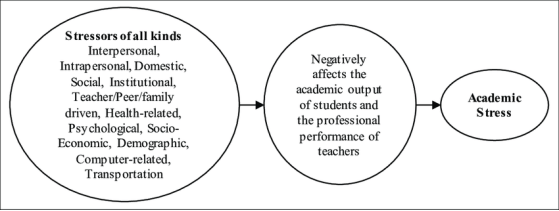
Having sufficient transport options for teachers is essential to lowering costs and improving productivity . Teachers' movement to and from their professional obligations is greatly facilitated by the availability of official vehicles and access to subsidised transportation services . Given these realisations, the current study takes into account stressors associated with both computers and transport, suggesting avenues for further research and useful solutions. The conceptual framework demonstrating the connection between academic stress and its related effects is shown in Figure 1.
Source: Adapted from .

Download: Download full-size image

Figure 1. Conceptual framework for stress.
3.2. Impact of Stress on Teachers’ Well-being
This section examines how teachers' stress levels affect their health and productivity on the job, with a focus on the effects on educational results and professional health. Numerous aspects, such as personal perceptions, interpersonal interactions with coworkers and students, and occupational expectations, all have an impact on the multifaceted concept of teacher well-being . Teachers frequently struggle to maintain their well-being because of the demanding nature of their jobs and the wide range of duties they have . Teachers' well-being is largely dependent on their positive connections with students and coworkers in the school setting . It is important to have institutional support systems that deal with the complexities of teacher stress . These authors contend that in order to address teachers' well-being holistically, successful solutions must take individual, cultural, and environmental factors into account. The negative impacts of stress, burnout, and decreased job satisfaction on teachers' well-being are widely known, but there is still a big lack of research on practical ways to promote teachers' self-efficacy and professional health. A variety of internal and external elements, such as individual values, social dynamics at work, and professional expectations, interact to influence teachers' well-being . Research emphasise the significance of providing opportunities for ongoing professional growth, creating positive work environments, and equipping teachers with stress-management skills . Although there are several ways to conceptualise teacher well-being, focused interventions are desperately needed . To improve teachers' self-efficacy and general professional well-being, more research is necessary to expand knowledge and create long-lasting frameworks .
3.3. Coping Strategies
Algorani and Gupta (2023) relate that the term "coping" refers to the methods people use to deal with and react to stressful situations, which can come from both internal and external sources. Coping mechanisms differ from protective mechanisms, which are automatic and frequently subconscious adaptive reactions, in that the former are conscious and intentional acts that are triggered with the goal of lowering or managing stress . The main goals of coping are to successfully manage difficulties, reduce suffering, and encourage adaptive functioning when faced with hardship . Coping mechanisms come in different forms, such as behavioural, emotional, and cognitive methods, and each one has a unique function in helping people cope with and lessen stress .
3.3.1. Cognitive Behavioural Therapy (CBT)
Cognitive behavioural therapy (CBT) is a successful psychotherapy strategy that addresses maladaptive cognition, such as general ideas or schemas, that result in automatic thinking and emotional suffering . CBT's main goal is to change these thought patterns by reassessing unfavorable cognitive tendencies and reorganising their underlying causes. Journaling, questioning irrational beliefs, and progressively returning to activities founded on a more realistic and flexible perception of reality are all important CBT strategies. Similarly, CBT promotes cognitive flexibility, which improves stress management . Cognitive flexibility is the capacity to identify characteristics of a situation that can be controlled, consider different possible interpretations, and come up with different solutions . Instead of feeling overwhelmed, those with greater cognitive flexibility view obstacles as chances for personal development and problem-solving. By taking a broader look and taking into account different approaches, teachers develop a more sophisticated comprehension of challenging circumstances. By encouraging creative and flexible problem-solving, this strategy eventually enhances wellbeing.
3.3.2. Emotional Coping Measures
Emotional coping measures are techniques people use to control and manage challenging emotions . These tactics include practicing mindfulness, getting help, taking care of oneself, using relaxation methods, setting boundaries, and developing emotional control. These methods help people deal with emotional difficulties more skillfully. The term "mindfulness" comes from the Pali word "sati," which means "memory" but has a deeper meaning based on traditional knowledge . In this sense, mindfulness is more than just remembering the past; it is an elevated awareness of the present. To secure oneself in the now, mindfulness practice entails the deliberate and methodical development of present-focused awareness. Mindfulness also fosters a state of increased awareness by emphasising the now above worries about the past or the future . A profound understanding and acceptance of the present moment are fostered by this state of being. Exploring the transformative effects of mindfulness on resilience and general well-being is made possible by such fundamental understanding . Mindfulness is a potent coping mechanism for emotional stress because it promotes self-efficacy, openness, curiosity, nonjudgmental acceptance, present-moment awareness, and emotional regulation . Especially for teachers, including mindfulness practices in daily life might improve psychological adaptability and resilience, making it easier for them to cope with challenges at work. Mindfulness-based therapies have great potential to improve teachers' resilience and general well-being by fostering psychological well-being and reducing psychological distress . Teachers can be given the internal tools they need to succeed in their challenging and complex responsibilities by integrating mindfulness into professional development programs in educational environments.
3.3.3. Behavioural Coping Measures
Problem-solving is a behavioural coping measure that is typified by resourcefulness, critical thinking, creative ideation, and decision-making, This skill set, which includes steps like problem assessment, solution development, and execution, can be acquired through formal education, training, or real-world experience. When managing difficult, unusual circumstances that call for adaptation, resilience, and a readiness to consider different approaches, problem-solving skills are especially important. Social support such as the sense of being supported, fostered, and supported by one's social network, which includes friends, family, coworkers, and community members is a crucial behavioural coping mechanism in addition to problem-solving . Informational support (advice and direction), instrumental support (material resources and help), and emotional support (compassion, comprehension, and attentive listening) are all included in social support. Strong social support networks have been linked to better coping skills, lower stress levels, and increased psychological well-being. Self-efficacy, a person's confidence in their capacity to carry out the necessary steps to accomplish particular goals is a key behavioural coping mechanism . Self-efficacy increases self-assurance in one's ability to handle stressors, which in turn encourages proactive problem-solving, maintains motivation and persistence, supports adaptive coping mechanisms, and builds resilience in the face of hardship . All three of these behavioural coping mechanisms, self-efficacy, social support, and problem-solving, are connected and reinforce one another. The formation and incorporation of these coping strategies have a combined impact that improves people's capacity to cope with stress, overcome obstacles, and prosper in the face of adversity . Individuals' resilience, adaptive functioning, and general well-being are all enhanced by these three behavioural methods.
4. Research Question
What are the main causes of stress among teachers, how do these stress levels impact their health and productivity at work, and what coping mechanisms do teachers use to perform well in their positions?
5. Method
This study was carried out as desktop research without using a systematic review's technique. The main step in the research procedure was searching Google Scholar using the terms "coping strategies," "factors," "impact," "job performance," "stress levels," and "teachers well-being." Books and publications containing explicit listings of stressors that were freely available were then chosen for examination. Publications dated 2017 onward were thought to accurately depict the difficulties that teachers are currently facing as a result of stress and how those difficulties are affecting their work environments. As part of the data analysis, commonalities in the list were identified, along with the number of people that supported them.
6. Findings
Many authors provided list of factors contribution to stress levels of teacher causing teacher’s well- being to be compromised. Presented below are a list of 20 authors addressing this matter. Ten of these are pre 2020 and ten are post 2020.
Table 1. Chronological lists of factors contributing to teacher stress identified in academic literature.

#

Date

List of factors contributing to teacher stress

Author(s)

1

2018, 2019, 2021

Intrapersonal stress and interpersonal stress.

2

2018, 2019, 2021

Domestic and social stress

3

2017, 2018, 2020

Institutional stress including teacher, peer and family stress

4

2018, 2019, 2020, 2022

Health related and psychological stress

5

2017, 2018, 2019, 2020, 2022

Socio economic stress and demographic stress

6

2018, 2019, 2021

Information technology (IT) and transportation stress

The list presented in Table 1 were scrutinised for commonalities. In Table 2 these commonalities are presented.
Table 2. Commonalities across time.

Commonality

Endorsed by pre 2020

Endorsed by post 2020

Intrapersonal stress and interpersonal stress.

#1 = 2 endorsers

#1=1 endorser

Domestic and social stress

#2 = 3 endorsers

#2 = 1endorser

Institutional stress including teacher, peer and family stress

#3 = 5 endorses

#3 = 1 endorser

Health related and psychological stress

#4 =5 endorses

#4 =2 endorsers

Socio economic stress and demographic stress

#5 = 3 endorses

#5 =2 endorsers

Information technology (IT) and transportation stress

#6 = 3 endorses

#6 = 1 endorser

7. Discussion
This research study's main aim is to pinpoint the main causes of teacher stress and create a workable framework for putting stress management interventions into practice. Comprehending these pressures is essential for both fostering the wellbeing of teachers and guaranteeing that students receive high-quality teaching. Teachers' effectiveness in the classroom and their capacity to assist students' academic and personal growth may suffer when they are unable to adequately handle stress. This can therefore have a negative impact on students' academic performance, growth, and emotional health. Given that learners represent the future leadership and workforce of society, failure to address teacher stress may hinder the cultivation of competent and resilient future leaders. Therefore, this study seeks to explore and address the underlying causes of teacher stress with the goal of identifying efficient coping strategies, thereby contributing to the overall well-being of teaching and fostering a supportive and productive learning environment.
7.1. Overview of Literature Review
This study explores the complex relationship between teacher stress and a variety of factors that may contribute to it. It examines a wide range of factors contributing to stress, from intrapersonal and interpersonal problems to institutional and socioeconomic challenges, by evaluating the body of available literature. Interpersonal stress results from encounters with people, such as coworkers, students, and administrators, but intrapersonal stress can be caused by internal conflicts or demands. Stress levels can be increased by resistance and conflict in the classroom as well as by outside influences like household duties and social demands. The term "institutional stress" refers to a number of workplace factors, including peer dynamics, employee relations, and family responsibilities. Transport-related problems and information technology (IT) demands are two further elements that may increase the strain. Stressors linked to health and psychology also have a big impact on teachers' physical and mental health. The general stress that teachers encounter might be exacerbated by socio-economic stress, which is influenced by societal injustices and economic inequalities. The purpose of the study is to clarify how these factors impact teachers' overall mental and physical health as well as their job performance and job satisfaction. In order to provide supportive work environments and improve teacher well-being, it is imperative to comprehend the effects of stress on teachers. The study offers important insights into the intricate dynamics of teacher stress and its consequences for educational practices and policies by examining both the stressors and coping mechanisms.
7.2. Overview of the Method
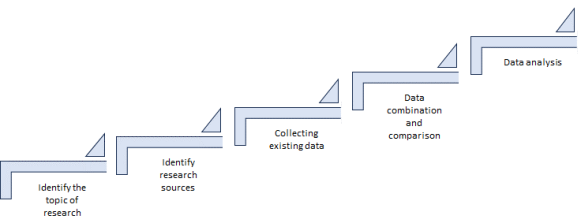
Instead of gathering fresh information through first-hand observation or experience, secondary research, commonly referred to as desk research, is a low-cost technique that analyses already-existing data sources. In order to ensure that pertinent data is collected and to assist focus efforts, it entails creating research objectives. Once research objectives are established, the researcher chooses credible, trustworthy, and pertinent data sources from a variety of sources, including books, academic journals, government documents, and business periodicals. The researcher collects information from several sources, such as articles, reports, statistics, case studies, and more, in order to present a thorough synopsis of the research subject. Mutual verification strengthens the trustworthiness of results, minimises bias and inconsistencies, and cross-references data from several sources to provide uniformity, accuracy, and dependability. Analysing the data is the last step in desk research . Figure 2 illustrates the desk research method.
Source: Adapted by .

Download: Download full-size image

Figure 2. Desk research method.
8. Discussion on the Findings
The research study identified primary stressors in teachers, including workload, insufficient administrative support, learner behavioural issues, and scheduling constraints. The desk method was used by making use of Google scholar. This method allowed the researcher to examine data trends to identify common stressors and pressures based on factors like school location, teaching experience, and demographics, identifying areas that may benefit most from interventions. Stakeholder collaboration is crucial for successful implementation of solutions to reduce identified stressors, such as workload management training, mental health resource accessibility, administrative reorganisation, and fostering a more pleasant school environment. The study suggests exploring potential causes of teacher stress and future effects of evaluation procedures or online learning on stress, aiming to better direct future research and promote teacher well-being. The analysis of primary stressors of teachers can provide a comprehensive understanding of their implications for practice and research.
9. Conclusion
The aim of the research was to identify primary stressors causing distress among teachers, aiding in the development of targeted interventions and support systems, and improving their overall well-being, as prolonged exposure can lead to burnout and job dissatisfaction. Addressing primary stressors in schools can improve educational quality by creating a conducive environment for teaching and learning, leading to improved teacher retention, job satisfaction, and overall learning outcomes. Teachers' professional development programs can enhance resilience and coping mechanisms by addressing stressors, providing focused training and support, benefiting both teachers and learners. Identifying stress sources among teachers is crucial for resolving systemic issues and improving their wellbeing, which significantly impacts learner’s achievement and educational outcomes.
List of factors contributing to face by teachers impacting on their wellbeing
The literature analysis carried out as part of this desk research study made it clear that the study is exploring the factors contributing to stress of teachers which impact on their wellbeing and suggesting coping mechanisms for teachers to manage stress. These factors contributing to stress amongst teachers are linked to specific outcomes despite the substantial challenges they face, and they are as follows: -…., and this was achieved.
The following are the list of stressors teachers are facing and this is what are emerging:
Intrapersonal stress and interpersonal stress.
Teachers now face new obstacles as a result of the quick adoption of technology in the classroom. These challenges include adopting new tools, modifying their methods of teaching, and addressing concerns about online safety and digital equity .
Domestic and social stress: Teachers face increasing pressures, including long hours, weekends, and limited self-care, leading to burnout and mental health problems due to a need for a healthy work-life balance.
Institutional stress including teacher, peer and family stress: Teachers may experience increased pressure to meet evolving expectations and criteria due to continuous changes in education policy, standards, and accountability measures .
Health related and psychological stress: Teachers may experience increased stress due to increased parental expectations and increased communication through technology in managing parent-teacher interactions and responding to parental concerns and requests .
Socio economic stress and demographic stress:
As awareness of mental health issues increases, teachers are expected to support learners' social-emotional health, address classroom mental health issues, and manage their own mental health needs .
Information technology (IT) and transportation stress: Teachers face challenges in curriculum adaptation, cultural responsiveness, and creating inclusive learning environments for diverse learners, including those from diverse cultural, linguistic, and socioeconomic backgrounds .
Teachers face increasing stressors like technology integration, work-life balance, and mental health awareness, necessitating proactive approaches, institutional support, and stakeholder collaboration to improve learners’ performance.
10. Limitations of Desk Research
Desk research, a popular and useful research approach, relies on preexisting data sources for validity. The availability and quality of these sources are crucial for reproducibility. Desk research is organised and methodical, but its limitations include its reliance on preexisting data, which can become outdated or unreachable over time. Subjectivity in data selection in desk research leads to variability in findings due to different scholars' selection or interpretation of the same sources. Desk research data sources may undergo changes over time due to updates, revisions, or new releases, causing different outcomes when trying to replicate the original data sources. Desk research may face restricted data access, such as locked databases or historical documents, which can hinder replication or require membership for other researchers. Contextual factors like time, place, and socio-political climate can influence desk research findings. Non-replicability limits generalisability and robustness. Researchers should be open about the limitations of desk research and consider the consequences of its non-replicability when interpreting and applying results. Future researchers are encouraged to conduct similar studies on teacher stressors, despite the rapid changes in the education industry due to societal upheavals, curricular reforms, regulatory changes, and technological advancements.
Abbreviations

BMI

Body Mass Index

CBT

Cognitive Behavioural Therapy

IT

Information Technology

Author Contributions
Yolande Jane Van Der Merwe: Conceptualization, Data curation, Formal Analysis, Investigation, Methodology, Visualization, Writing – original draft
Kezell Klinck: Formal Analysis, Methodology, Project administration, Supervision, Validation, Writing – review & editing
Conflicts of Interest
The authors declare no conflicts of interest.
References
[1] Agada, J. T., & Zeb-Obipi, I. (2018). Workplace social infrastructure and employee commitment: A literature review. International Journal of Human Resources Management (IJHRM), 7(2), 1-12.
[2] Algorani, E. B., & Gupta, V. (2023). Coping mechanisms. In StatPearls [Internet]. StatPearls Publishing.
[3] Algren, M. H., Ekholm, O., Nielsen, L., Ersbøll, A. K., Bak, C. K., & Andersen, P. T. (2018). Associations between perceived stress, socioeconomic status, and health-risk behaviour in deprived neighbourhoods in Denmark: A cross-sectional study. BMC Public Health, 18, Article 250.
[4] Ariffin, T. F. T., Bush, T., & Nordin, H. (2018). Framing the roles and responsibilities of excellent teachers: Evidence from Malaysia. Teaching and Teacher Education, 73, 14-23.
[5] Asaloei, S. I., Wolomasi, A. K., & Werang, B. R. (2020). Work-related stress and performance among primary school teachers. International Journal of Evaluation and Research in Education, 9(2), 352-358.
[6] Basu, S., Qayyum, H., & Mason, S. (2017). Occupational stress in the ED: A systematic literature review. Emergency Medicine Journal, 34(7), 441-447.
[7] Beland, L. P., Brodeur, A., Haddad, J., & Mikola, D. (2021). Determinants of family stress and domestic violence: Lessons from the COVID-19 outbreak. Canadian Public Policy, 47(3), 439-459.
[8] Bieliauskas, L. A. (2019). Stress and its relationship to health and illness. Routledge
[9] Bjørndal, K. E. W., Antonsen, Y., & Jakhelln, R. (2022). Stress-coping strategies amongst newly qualified primary and lower secondary school teachers with a master’s degree in Norway. Scandinavian Journal of Educational Research, 66(7), 1253-1268.
[10] Burić, I., Slišković, A., & Sorić, I. (2020). Teachers’ emotions and self-efficacy: A test of reciprocal relations. Frontiers in Psychology, 11, 1650.
[11] Canfield, C. F., Miller, E. B., Shaw, D. S., Morris, P., Alonso, A., & Mendelsohn, A. L. (2020). Beyond language: Impacts of shared reading on parenting stress and early parent-child relational health. Developmental Psychology, 56(7), 1305-1313.
[12] Clipa, O. (2017). Teacher stress and coping strategies. In Studies and Current Trends in Science of Education (pp. 120-128). Editura Lumen, Asociatia Lumen
[13] Colborne, J. W. (2020). Perceived academic stress and coping strategies among first year psychology learners at a tertiary institution (Doctoral dissertation). [Institution Name if available].
[14] De Witte, N. A., Buyck, I., & Van Daele, T. (2019). Combining biofeedback with stress management interventions: A systematic review of physiological and psychological effects. Applied Psychophysiology and Biofeedback, 44(2), 71-82.
[15] Dike, I. C., Onyishi, C. N., Adimora, D. E., Ugodulunwa, C. A., Adama, G. N., Ugwu, G. C., ... & Iremeka, F. U. (2021). Yoga complemented cognitive behavioral therapy on job burnout among teachers of children with autism spectrum disorders. Medicine, 100(22), e25801.
[16] Dreer, B. (2023). On the outcomes of teacher wellbeing: A systematic review of research. Frontiers in Psychology, 14, 1205179.
[17] Eddy, C. L., Herman, K. C., & Reinke, W. M. (2019). Single-item teacher stress and coping measures: Concurrent and predictive validity and sensitivity to change. Journal of School Psychology, 76, 17-32.
[18] Emerson, L. M., Leyland, A., Hudson, K., Rowse, G., Hanley, P., & Hugh-Jones, S. (2017). Teaching mindfulness to teachers: A systematic review and narrative synthesis. Mindfulness, 8, 1136-1149.
[19] Estrada-Muñoz, C., Castillo, D., Vega-Muñoz, A., & Boada-Grau, J. (2020). Teacher technostress in the Chilean school system. International Journal of Environmental Research and Public Health, 17(15), 5280.
[20] Fischer, T., Reuter, M., & Riedl, R. (2021). The digital stressors scale: Development and validation of a new survey instrument to measure digital stress perceptions in the workplace context. Frontiers in Psychology, 12, 607598.
[21] Funke, J., Fischer, A., & Holt, D. V. (2018). Competencies for complexity: Problem solving in the twenty-first century. In Assessment and teaching of 21st century skills: Research and applications (pp. 41-53). Springer.
[22] Gadušová, Z., & Hašková, A. (2021). Investigation of stressors teachers face in schools. Education. Self-Development, 16, 192-203.
[23] Gartstein, M. A., & Hancock, G. R. (2019). Temperamental growth in infancy: Demographic, maternal symptom, and stress contributions to overarching and fine-grained dimensions. Merrill-Palmer Quarterly, 65(2), 121-157.
[24] Harding, S., Morris, R., Gunnell, D., Ford, T., Hollingworth, W., Tilling, K., ... & Kidger, J. (2019). Is teachers’ mental health and wellbeing associated with learners’ mental health and wellbeing? Journal of Affective Disorders, 242, 180-187.
[25] Harmsen, R., Helms-Lorenz, M., Maulana, R., van Veen, K., & van Veldhoven, M. (2019). Measuring general and specific stress causes and stress responses among beginning secondary school teachers in the Netherlands. International Journal of Research & Method in Education, 42(1), 91-108.
[26] Harmsen, R., Helms-Lorenz, M., Maulana, R., & Van Veen, K. (2018). The relationship between beginning teachers’ stress causes, stress responses, teaching behaviour and attrition. Teachers and Teaching, 24(6), 626-643.
[27] Havermans, B. M., Brouwers, E. P., Hoek, R. J., Anema, J. R., van der Beek, A. J., & Boot, C. R. (2018). Work stress prevention needs of employees and supervisors. BMC Public Health, 18, Article 642.
[28] Haydon, T., Leko, M. M., & Stevens, D. (2018). Teacher stress: Sources, effects, and protective factors. Journal of Special Education Leadership, 31(2), 99-106.
[29] Hepburn, S. J., Carroll, A., & McCuaig-Holcroft, L. (2021). A complementary intervention to promote wellbeing and stress management for early career teachers. International Journal of Environmental Research and Public Health, 18(12), 6320.
[30] Holman, D., Johnson, S., & O’Connor, E. (2018). Stress management interventions: Improving subjective psychological well-being in the workplace. Handbook of Well-Being, 1-13.
[31] Huang, L., Lei, W., Xu, F., Liu, H., & Yu, L. (2020). Emotional responses and coping strategies in nurses and nursing students during COVID-19 outbreak: A comparative study. PLOS ONE, 15(8), e0237303.
[32] Hwang, Y. S., Bartlett, B., Greben, M., & Hand, K. (2017). A systematic review of mindfulness interventions for in-service teachers: A tool to enhance teacher wellbeing and performance. Teaching and Teacher Education, 64, 26-42.
[33] Jiang, F., Zhou, H., Hu, L., Rakofsky, J., Liu, T., Wu, S., ... & Tang, Y. L. (2019). Psychiatry residents in China: Socio-demographic characteristics, career satisfaction, and related factors. Frontiers in Psychiatry, 10, 177.
[34] Karl, M., Schaber, R., Kress, V., Kopp, M., Martini, J., Weidner, K., & Garthus-Niegel, S. (2020). Precarious working conditions and psychosocial work stress act as a risk factor for symptoms of postpartum depression during maternity leave: Results from a longitudinal cohort study. BMC Public Health, 20, Article 1735.
[35] Klingbeil, D. A., & Renshaw, T. L. (2018). Mindfulness-based interventions for teachers: A meta-analysis of the emerging evidence base. School Psychology Quarterly, 33(4), 501-511.
[36] Kshirsagar, R., & Seema, A. (2016). A conceptual framework on stress among undergraduate students—A literature review. International Journal of Management, IT and Engineering, 6(8), 0-0.
[37] Labrague, L. J. (2021). Psychological resilience, coping behaviours and social support among health care workers during the COVID‐19 pandemic: A systematic review of quantitative studies. Journal of Nursing Management, 29(7), 1893-1905.
[38] La Torre, G., Esposito, A., Sciarra, I., & Chiappetta, M. (2019). Definition, symptoms and risk of techno-stress: A systematic review. International Archives of Occupational and Environmental Health, 92, 13-35.
[39] Lawal, A. M., & Idemudia, E. S. (2017). The role of emotional intelligence and organisational support on work stress of nurses in Ibadan, Nigeria. Curationis, 40(1), 1-8.
[40] Lin, C. E. (2021). Cognitive flexibility. In Encyclopedia of Autism Spectrum Disorders (pp. 1048-1049). Springer.
[41] Longobardi, C., Badenes-Ribera, L., Fabris, M. A., Martinez, A., & McMahon, S. D. (2019). Prevalence of student violence against teachers: A meta-analysis. Psychology of Violence, 9(6), 596-603.
[42] Love, M. F., Sharrief, A., Chaoul, A., Savitz, S., & Beauchamp, J. E. S. (2019). Mind-body interventions, psychological stressors, and quality of life in stroke survivors: A systematic review. Stroke, 50(2), 434-440.
[43] MacIntyre, P. D., Ross, J., Talbot, K., Mercer, S., Gregersen, T., & Banga, C. A. (2019). Stressors, personality, and wellbeing among language teachers. System, 82, 26-38.
[44] Maeda, E., Nomura, K., Hiraike, O., Sugimori, H., Kinoshita, A., & Osuga, Y. (2019). Domestic work stress and self-rated psychological health among women: A cross-sectional study in Japan. Environmental Health and Preventive Medicine, 24, Article 11.
[45] Martin, L., Oepen, R., Bauer, K., Nottensteiner, A., Mergheim, K., Gruber, H., & Koch, S. C. (2018). Creative arts interventions for stress management and prevention—a systematic review. Behavioral Sciences, 8(2), 28.
[46] Masarik, A. S., & Conger, R. D. (2017). Stress and child development: A review of the Family Stress Model. Current Opinion in Psychology, 13, 85-90.
[47] Mena, J., Hennissen, P., & Loughran, J. (2017). Developing pre-service teachers' professional knowledge of teaching: The influence of mentoring. Teaching and Teacher Education, 66, 47-59.
[48] Mihók, P. (2021). The current challenges of applied social science research of Radon Spas’ English language marketing activities on the internet: Selected desk research results. Ekonomika a Spoločnosť, 22(1), 55-76.
[49] Minghui, L., Lei, H., Xiaomeng, C., & Potměšilc, M. (2018). Teacher efficacy, work engagement, and social support among Chinese special education school teachers. Frontiers in Psychology, 9, 648.
[50] Navickienė, L., Stasiūnaitienė, E., & Kupčikienė, I. (2019). Causes of stress in teachers’ professional activity: School leaders' approach. Sveikatos Mokslai, 29(6), 72-77.
[51] Nwoko, J. C., Emeto, T. I., Malau-Aduli, A. E., & Malau-Aduli, B. S. (2023). A systematic review of the factors that influence teachers’ occupational wellbeing. International Journal of Environmental Research and Public Health, 20(12), 6070.
[52] Obzera, N. (2021). Transportation and well-being: Developing a survey instrument for Canada School of Public Service employees [Unpublished doctoral dissertation].
[53] Oishi, S., Takizawa, T., Kamata, N., Miyaji, S., Tanaka, K., & Miyaoka, H. (2018). Web-based training program using cognitive behavioral therapy to enhance cognitive flexibility and alleviate psychological distress among schoolteachers: Pilot randomized controlled trial. JMIR Research Protocols, 7(1), e8541.
[54] Owens, B., Mills, S., Lewis, N., & Guta, A. (2022). Work-related stressors and mental health among LGBTQ workers: Results from a cross-sectional survey. PLOS ONE, 17(10), e0275771.
[55] Paul, O. (2019). Perceptions of family relationships and post-traumatic stress symptoms of children exposed to domestic violence. Journal of Family Violence, 34(4), 331-343.
[56] Pegg, S., Ethridge, P., Shields, G. S., Slavich, G. M., Weinberg, A., & Kujawa, A. (2019). Blunted social reward responsiveness moderates the effect of lifetime social stress exposure on depressive symptoms. Frontiers in Behavioral Neuroscience, 13, 178.
[57] Polizzi, C., Lynn, S. J., & Perry, A. (2020). Stress and coping in the time of COVID-19: Pathways to resilience and recovery. Clinical Neuropsychiatry, 17(2), 59-62.
[58] Poudel, A., & Wagle, S. (2022). Occupational stress and its coping strategies among school teachers of Pokhara Metropolitan. Journal of Health and Allied Sciences, 12(1), 29-33.
[59] Präg, P. (2020). Subjective socio-economic status predicts self-rated health irrespective of objective family socio-economic background. Scandinavian Journal of Public Health, 48(7), 707-714.
[60] Punia, B. K., Punia, V., & Garg, N. (2021). Life dissatisfaction among students: Exploring the role of intrapersonal conflict, insufficient efforts, and academic stress. Rajagiri Management Journal, 15(2), 113-128.
[61] Ramberg, J., Brolin Låftman, S., Åkerstedt, T., & Modin, B. (2020). Teacher stress and learners’ school well-being: The case of upper secondary schools in Stockholm. Scandinavian Journal of Educational Research, 64(6), 816-830.
[62] Rosa, P. H. D., Beuter, M., Benetti, E. R. R., Bruinsma, J. L., Venturini, L., & Backes, C. (2018). Stressors factors experienced by hospitalized elderly from the perspective of the Neuman Systems Model. Escola Anna Nery, 22, e20180148.
[63] Setlhakgoe, M. R. (2018). Occupational stress in an information and communication technology company in South Africa [Doctoral dissertation, University of the Free State].
[64] Smith, M., Hosking, J., Woodward, A., Witten, K., MacMillan, A., Field, A., ... & Mackie, H. (2017). Systematic literature review of built environment effects on physical activity and active transport-an update and new findings on health equity. International Journal of Behavioral Nutrition and Physical Activity, 14, 1-27.
[65] Sohail, M. M., Baghdady, A., Choi, J., Huynh, H. V., Whetten, K., & Proeschold-Bell, R. J. (2023). Factors influencing teacher wellbeing and burnout in schools: A scoping review. Work, Preprint, 1-16.
[66] Skaalvik, E. M., & Skaalvik, S. (2017). Dimensions of teacher burnout: Relations with potential stressors at school. Social Psychology of Education, 20, 775-790.
[67] Takahashi, A., Flanigan, M. E., McEwen, B. S., & Russo, S. J. (2018). Aggression, social stress, and the immune system in humans and animal models. Frontiers in Behavioral Neuroscience, 12, 338283.
[68] Taniguchi, H., & Kato, T. (2019). The frequencies and effects of interpersonal stress coping with different types of interpersonal stressors in friendships on mental health and subjective well-being among college students. The Japanese Journal of Personality, 27(3), 252-258.
[69] Turoń, K., & Kubik, A. (2021). Business innovations in the new mobility market during the COVID-19 with the possibility of open business model innovation. Journal of Open Innovation: Technology, Market, and Complexity, 7(3), 195.
[70] Tsang, K. K., & Kwong, T. L. (2017). Teachers’ emotions in the context of education reform: Labor process theory and social constructionism. British Journal of Sociology of Education, 38(6), 841-855.
[71] Vancouver, J. B., Alicke, M., & Halper, L. R. (2017). Self-efficacy. In The self at work (pp. 15-39). Routledge.
[72] von der Embse, N., Ryan, S. V., Gibbs, T., & Mankin, A. (2019). Teacher stress interventions: A systematic review. Psychology in the Schools, 56(8), 1328-1343.
[73] Wilson, C., Marks Woolfson, L., & Durkin, K. (2020). School environment and mastery experience as predictors of teachers’ self-efficacy beliefs towards inclusive teaching. International Journal of Inclusive Education, 24(2), 218-234.
[74] Woods, S. L., & Rockman, P. (2021). Mindfulness-based stress reduction: Protocol, practice, and teaching skills. New Harbinger Publications.
[75] Wu, Y. P., Ahorsu, D. K., Chen, J. S., Lee, C. H., Lin, C. Y., & Griffiths, M. D. (2022). The role of demographic factors, mindfulness and perceived stress in resilience among nurses: A cross-sectional study. Journal of Nursing Management, 30(7), 3093-3101.
[76] Zamir, S. (2021). Teachers' authority in the postmodern era. European Journal of Contemporary Education, 10(3), 756-767.
Cite This Article
  • APA Style

    Merwe, Y. J. V. D., Klinck, K. (2025). Assessing Stress Levels Amongst Teachers: Factors, Impacts, Coping Strategies and Teacher Well Being. Education Journal, 14(3), 134-145. https://doi.org/10.11648/j.edu.20251403.16

    Copy | Download

    ACS Style

    Merwe, Y. J. V. D.; Klinck, K. Assessing Stress Levels Amongst Teachers: Factors, Impacts, Coping Strategies and Teacher Well Being. Educ. J. 2025, 14(3), 134-145. doi: 10.11648/j.edu.20251403.16

    Copy | Download

    AMA Style

    Merwe YJVD, Klinck K. Assessing Stress Levels Amongst Teachers: Factors, Impacts, Coping Strategies and Teacher Well Being. Educ J. 2025;14(3):134-145. doi: 10.11648/j.edu.20251403.16

    Copy | Download

  • @article{10.11648/j.edu.20251403.16,
      author = {Yolande Jane Van Der Merwe and Kezell Klinck},
      title = {Assessing Stress Levels Amongst Teachers: Factors, Impacts, Coping Strategies and Teacher Well Being
    },
      journal = {Education Journal},
      volume = {14},
      number = {3},
      pages = {134-145},
      doi = {10.11648/j.edu.20251403.16},
      url = {https://doi.org/10.11648/j.edu.20251403.16},
      eprint = {https://article.sciencepublishinggroup.com/pdf/10.11648.j.edu.20251403.16},
      abstract = {Introduction: Teachers' health, day-to-day functioning, and career development are all greatly impacted by the elevated stress levels they are experiencing in the quickly changing educational landscape of today. Mounting data indicates that high stress degrades important parts of teaching, such as managing the classroom, emotional engagement, and general motivation, eventually reducing the quality of education and student results. Heavy workloads, difficulties integrating technology, regulatory changes, student behavior, a lack of administrative assistance, schedule issues, and rising societal demands are some of the interconnected pressures that are contributing to this developing concern. Many teacher preparation programs do not provide pre-service teachers with adequate stress management skills, which leads to early-career exhaustion and attrition despite the growing need for resilient and flexible teachers. Aim: The study aims to look into the main reasons why teachers experience stress, how it affects their health and performance on the job, and what coping strategies they use to stay productive. Method: A desk method methodology was used to identify common stressors and coping mechanisms, drawing on existing, reliable literature. Through data cross-referencing and triangulation across several sources, this approach guaranteed correctness and dependability. Findings: The study found that the main stressors were time management problems, workload, learner misconduct, and a lack of institutional support. Additionally, it uncovered trends in a range of educational settings, highlighting the necessity of coordinated stakeholder participation and focused stress-reduction interventions. Conclusions: Developing successful interventions that promote resilience, increase work satisfaction, and improve teaching quality and student achievement requires addressing the underlying causes of teacher stress. Contribution: This study aids in the creation of comprehensive support networks that foster teachers' well-being and a happier, more effective learning environment by addressing the causes and consequences of teacher stress and emphasising useful coping strategies.
    },
     year = {2025}
    }
    

    Copy | Download

  • TY  - JOUR
    T1  - Assessing Stress Levels Amongst Teachers: Factors, Impacts, Coping Strategies and Teacher Well Being
    
    AU  - Yolande Jane Van Der Merwe
    AU  - Kezell Klinck
    Y1  - 2025/06/16
    PY  - 2025
    N1  - https://doi.org/10.11648/j.edu.20251403.16
    DO  - 10.11648/j.edu.20251403.16
    T2  - Education Journal
    JF  - Education Journal
    JO  - Education Journal
    SP  - 134
    EP  - 145
    PB  - Science Publishing Group
    SN  - 2327-2619
    UR  - https://doi.org/10.11648/j.edu.20251403.16
    AB  - Introduction: Teachers' health, day-to-day functioning, and career development are all greatly impacted by the elevated stress levels they are experiencing in the quickly changing educational landscape of today. Mounting data indicates that high stress degrades important parts of teaching, such as managing the classroom, emotional engagement, and general motivation, eventually reducing the quality of education and student results. Heavy workloads, difficulties integrating technology, regulatory changes, student behavior, a lack of administrative assistance, schedule issues, and rising societal demands are some of the interconnected pressures that are contributing to this developing concern. Many teacher preparation programs do not provide pre-service teachers with adequate stress management skills, which leads to early-career exhaustion and attrition despite the growing need for resilient and flexible teachers. Aim: The study aims to look into the main reasons why teachers experience stress, how it affects their health and performance on the job, and what coping strategies they use to stay productive. Method: A desk method methodology was used to identify common stressors and coping mechanisms, drawing on existing, reliable literature. Through data cross-referencing and triangulation across several sources, this approach guaranteed correctness and dependability. Findings: The study found that the main stressors were time management problems, workload, learner misconduct, and a lack of institutional support. Additionally, it uncovered trends in a range of educational settings, highlighting the necessity of coordinated stakeholder participation and focused stress-reduction interventions. Conclusions: Developing successful interventions that promote resilience, increase work satisfaction, and improve teaching quality and student achievement requires addressing the underlying causes of teacher stress. Contribution: This study aids in the creation of comprehensive support networks that foster teachers' well-being and a happier, more effective learning environment by addressing the causes and consequences of teacher stress and emphasising useful coping strategies.
    
    VL  - 14
    IS  - 3
    ER  - 

    Copy | Download

Author Information